
There are some obvious things that can hurt a credit score: paying your bills late, using too much available credit in proportion to your income, and defaulting on a loan. Some other financial

Dated: February 20 2026
Views: 10
When the Fed raises or lowers interest rates, most borrowers with car and home loans won’t see their rates change because they’ve locked in rates. People getting new loans, however, will see the higher or lower rates, as will credit card users.
For a U.S. household with the average credit card debt of $10,995, a .25 percent hike in interest rates will make carrying a credit card balance a bit more expensive or visa versa.
Technically called the federal funds rate, the interest rate the Fed sets is the rate banks use to trade federal funds. It is almost exactly correlated with the prime rate, which is what credit card companies typically charge their largest, most credit-worthy corporate clients.
From there, a change in the prime rate follows with credit card interest rate changes that consumers see. Credit card interest rates will usually increase or decrease during a day of increased or decreased federal funds rates, and usually by the same amount.
Carrying a credit card balance, also known as revolving credit, is where credit card users will feel the pain of a Fed interest rate hike. An estimated 40 percent of credit card users carry a balance from month to month, and should see their costs climb immediately after a Fed rate hike.
Most credit cards have variable interest rates. As banks see their borrowing costs rise or lower, they raise or lower rates on credit cards.
If the Fed increases or lowers interest rates during the middle of a credit card billing cycle, for instance, customers may not see the increase or decrease until their next statement is due. But their rate may rise or lower on new purchases immediately.
Credit card minimum payments are typically set at 1 – 2 percent of the principal balance, plus any interest accrued during the billing period. Rising or lowering interest rates will increase or decrease the accrued interest and minimum due, though not dramatically.
A .25 percent increase or decrease in interest rates causes the minimum amount due on a credit card to increase or decrease by $2 for every $10,000 of credit card debt.
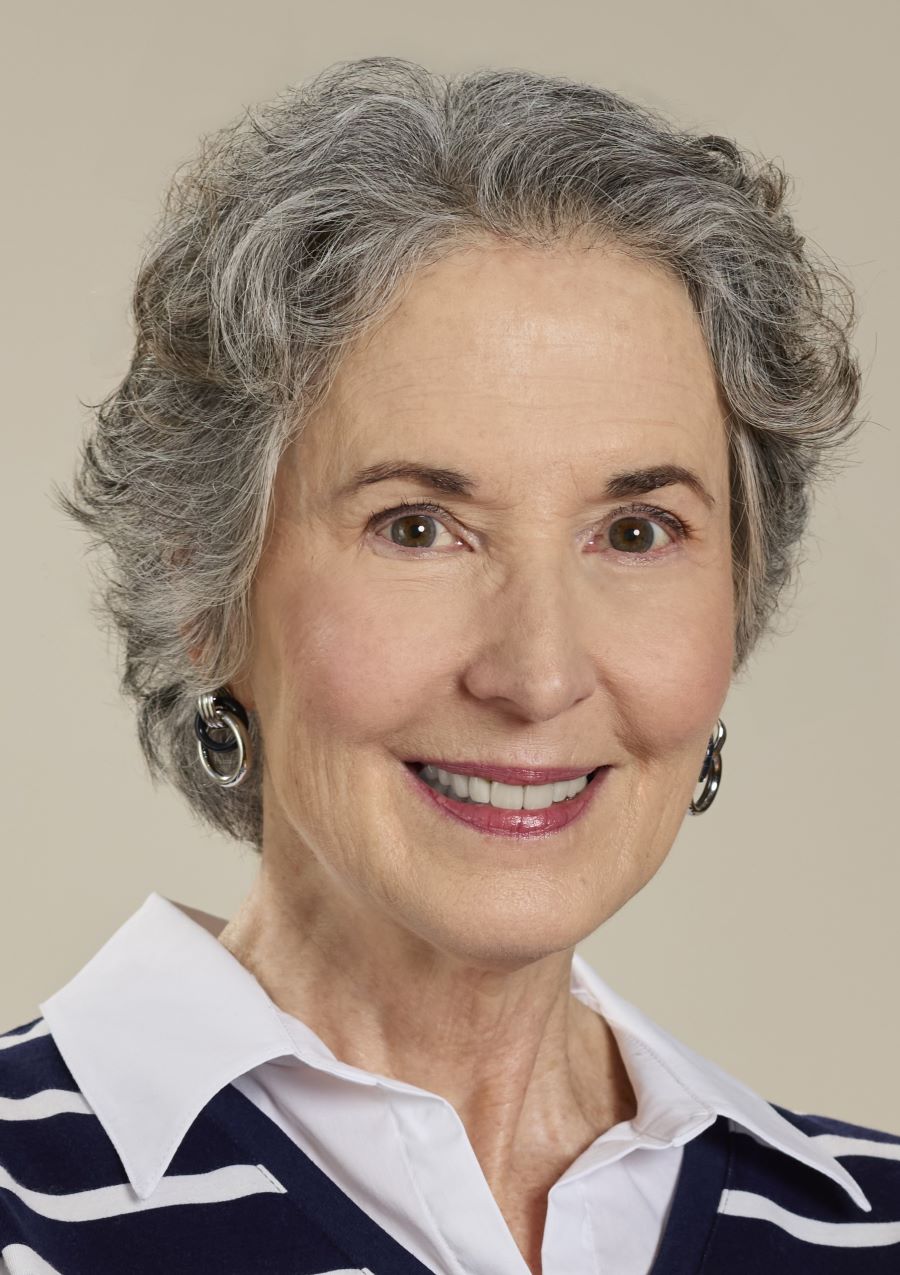
Beth Brannan of 'Your Home Team Advantage', realizes how important you, the client, are as a team member for her to successfully assist you with your housing needs. Her team approach is to serve you a....
There are some obvious things that can hurt a credit score: paying your bills late, using too much available credit in proportion to your income, and defaulting on a loan. Some other financial
Local governments and school districts raise a large portion of the money that goes toward paying for education, emergency services, transportation and other public goods through property taxes. The
A home’s roof is its most important feature, and for good reason. If the roof leaks or is damaged in some way, it can lead to a host of problems — and insurance claims.Many home
More space is one of the must-haves of just about everyone looking for a home, but if you happen to have a home on the market that has tiny rooms, it doesn’t mean there won’t be any
Should you require assistance in navigating our website or searching for real estate, please contact our offices at 336-272-0151.
©2026 BHH Affiliates, LLC. An independently operated subsidiary of HomeServices of America, Inc., a Berkshire Hathaway affiliate, and a franchisee of BHH Affiliates, LLC. Berkshire Hathaway HomeServices and the Berkshire Hathaway HomeServices symbol are registered service marks of Columbia Insurance Company.
An offer of broker compensation or seller concession is not a guarantee. All compensation offers and concessions are negotiable and subject to written agreement between the parties. Please consult with your real estate agent for more information.

 © 2026 Triad MLS, Inc. All rights reserved. IDX information is provided exclusively for personal, non-commercial use, and may not be used for any purpose other than to identify prospective properties consumers may be interested in purchasing. Information is deemed reliable but not guaranteed. This site will be monitored for "scraping" and any use of search facilities of data on the site other than by potential buyers/sellers is prohibited. All Sale data is for informational purposes only and
is not an indication of a market analysis or appraisal. Data cannot be redistributed and cannot be used for any reason other than provided in the contract. Properties marked with the Triad MLS, Inc. icon are provided courtesy of the Triad MLS, Inc.'s, Internet Data Exchange Database. Data last updated September 18, 2026 8:57 PM UTC
Show More...
© 2026 Triad MLS, Inc. All rights reserved. IDX information is provided exclusively for personal, non-commercial use, and may not be used for any purpose other than to identify prospective properties consumers may be interested in purchasing. Information is deemed reliable but not guaranteed. This site will be monitored for "scraping" and any use of search facilities of data on the site other than by potential buyers/sellers is prohibited. All Sale data is for informational purposes only and
is not an indication of a market analysis or appraisal. Data cannot be redistributed and cannot be used for any reason other than provided in the contract. Properties marked with the Triad MLS, Inc. icon are provided courtesy of the Triad MLS, Inc.'s, Internet Data Exchange Database. Data last updated September 18, 2026 8:57 PM UTC
Show More...
